
Introduction
Choosing the right shoes makes an outfit look intentional rather than accidental. The right pair anchors proportions, signals occasion, and can turn a basic look into a curated one.
This guide gives practical, no-nonsense rules for matching shoes to a variety of outfits—workwear, casual, athletic, summer, and dressy—plus quick tips on color, texture, and accessories so you can step out with confidence.
Start with the basics: formality, proportion, and color
Before you pick a specific style, ask three questions: How formal is the event? What are the proportions of the outfit (wide leg vs slim fit)? And what color palette are you working with? Formality narrows your shoe choices; proportion tells you heel height and silhouette; color decides whether shoes should blend or contrast.
Business and dress outfits: keep it polished
For suits, tailored trousers, and formal dresses, opt for classic shapes—oxfords, loafers, clean pumps, or neat ankle boots. Match the level of polish: a well-shined loafer or pump reads more formal than distressed or heavy-soled boots. For men, coordinate leather shoes with a good belt to keep the look cohesive; a refined belt works across business settings.
Consider a quality belt like the CHAOREN Mens Belts Leather Gift for Men to ensure your leather accessories match in tone and finish.
Casual and smart-casual: let sneakers lead
Casual outfits—jeans, chinos, casual dresses—are the easiest to style because you can play with texture and color. Everyday sneakers are the most versatile choice: they work with jeans and a tee, a casual blazer, or a midi dress for a modern mixed-dress look. Keep sneakers clean and proportional: chunky skate-style sneakers pair best with relaxed fits, while slim retro sneakers suit tapered pants.
If you reach for sneakers regularly, consider a reliable pair from this collection of Everyday Sneakers for a streamlined, go-to option.
Athleisure and training outfits: prioritize function and silhouette
When your outfit is workout-driven or athleisure—track pants, leggings, hoodies, or matching sets—shoe choice should prioritize support and the right silhouette. Running shoes and training shoes complement tapered joggers and form-fitting leggings; they can also look intentional with loose, cropped sweatpants if the proportions are balanced.
For performance and styled-sportswear combos, choose from the range of Athletic & Training Shoes to match function with fashion.
Summer outfits: sandals, slides, and lightweight options
Summer dressing calls for breathability and relaxed proportions. Sandals and slides pair naturally with shorts, summer dresses, and cropped pants. Flat, minimalist sandal designs elongate the foot and suit flowy dresses, while sporty slides match tonal, casual sets.
For warm-weather wardrobes, check styles within the Sandals & Slides category to find comfortable, season-appropriate choices.
Boots and edgier looks: balance weight with hemline
Boots—Chelsea, ankle, combat, or western—add structure and attitude. Match boot height to your outfit: ankle boots work with cropped trousers and skirts, mid-calf or taller boots pair best with skinny or tucked-in pants. Heavy lug soles contrast best with delicate fabrics, while sleeker boot silhouettes complement more tailored looks.
For a versatile ankle-boot option that works with jeans and skirts, consider styles like the Vepose Women’s Short Ankle Boots.
Dresses and skirts: heel height, strap choice, and carrying essentials
With dresses and skirts, think about movement and the hemline. Shorter hems suit chunkier shoes or sneakers; midi and maxi lengths pair elegantly with low block heels, sandals, or heeled boots. For evening or dressier daytime events, closed-toe pumps or strappy heels elevate the look.
Also consider the bag you carry—structured bags create formality while slouchy or woven bags soften the outfit. A timeless option that complements many dress styles is the Coach Town Tote, which balances form and function for daytime events.
Accessories and color coordination: small details matter
Shoes don’t exist in isolation—coordinate with belts, watches, or eyewear to complete the look. Match metal tones (gold vs silver) across buckles and jewelry, and echo the shoe’s texture (patent, suede, matte leather) with one other accessory to create cohesion.
For finishing touches that influence how shoes read—casual or refined—consider accessories like Sunglasses that match the outfit’s vibe. Bold frames can push shoes toward a streetwear look; minimalist shades support a clean, polished appearance.
Bags and practical pairing: scale and function
Choose bags that are proportionate to shoes and outfit. A small crossbody balances slimmer silhouettes and cropped pants; larger totes or backpacks suit casual or travel looks. When shoes are sporty, a sporty bag completes the athletic story; when shoes are polished, a structured bag maintains the formal tone.
For versatile everyday use, a simple crossbody is a dependable choice—see the Crossbody Bags collection for compact, proportional options that pair easily with many shoe choices.
Quick checklist
- Match shoe formality to occasion (formal, smart-casual, casual).
- Balance proportions: chunky shoes with loose fits; slim shoes with tapered fits.
- Coordinate colors: either match tones or use one contrast color across outfit.
- Consider heel height for comfort and silhouette.
- Use one accessory to echo shoe texture or metal tone.
- Keep signature pairs clean and well-maintained for best impact.
FAQ
Q: Can sneakers be worn to semi-formal events?
A: Yes—choose clean, minimal sneakers in leather or suede and pair with tailored pieces (blazer, crisp shirt) to lift the look.
Q: How do I match shoes to patterned outfits?
A: Pull one color from the pattern for your shoes or choose a neutral (black, white, tan) to avoid visual conflict.
Q: Are socks visible with loafers acceptable?
A: Visible socks are fine if intentional—opt for coordinating colors or no-show socks for a cleaner silhouette.
Q: What’s the safest shoe color for first impressions?
A: Neutral tones like black, brown, navy, or cream are versatile and read polished for most settings.
Q: How often should I replace athletic shoes?
A: Replace based on wear and cushioning—typically every 300–500 miles of running or when support degrades.
Conclusion
Matching shoes to outfits is a mix of rules and small experiments: assess formality, balance proportions, coordinate color and texture, and let one accessory echo your shoe choice. With these practical guidelines, you’ll make smarter shoe choices faster and build outfits that look intentional—and comfortable—every time.
Products Featured in This Article
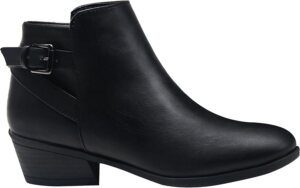
Vepose Women’s Short Ankle Bo…
From the brand Combat Ankle Boots Women Women’s Heeled Ankle Boots Women’s Ankle Boots Women’s Satin…

Coach Town Tote
TBD Item model number : CP525 Department : womens Date First Available…

CHAOREN Mens Belts Leather Gift for…
From the brand Our pursuit of timeless elegance and understated strength is at the core of…
