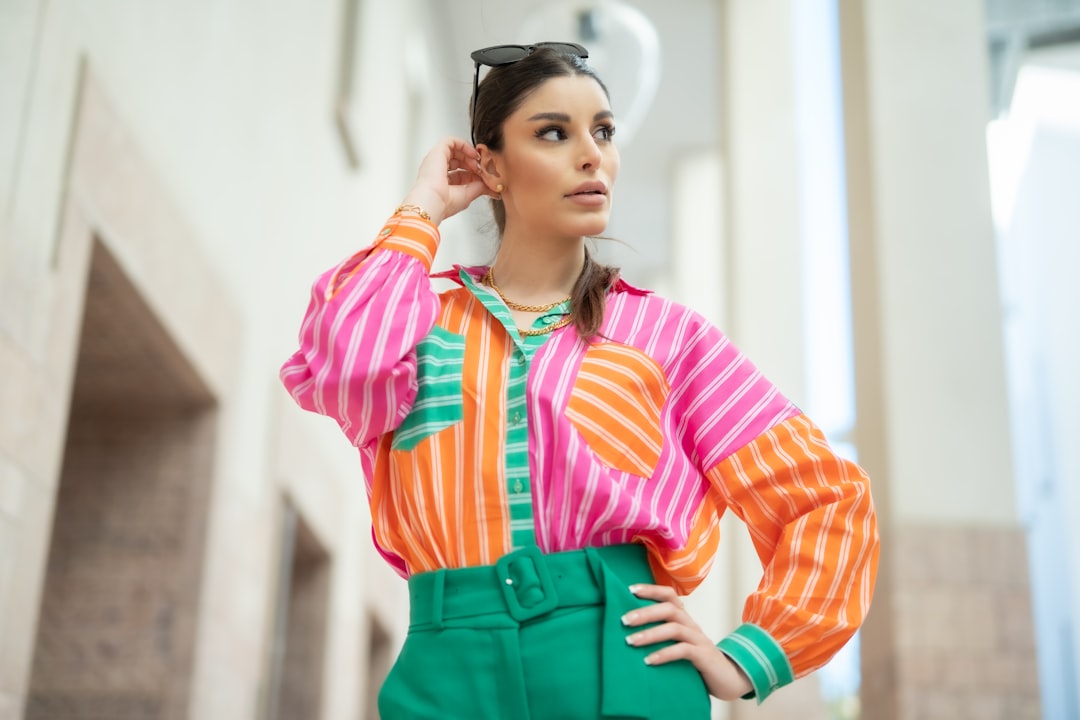
How to Coordinate Colors in an Outfit Without Overthinking It
Coordinating colors in an outfit should feel like a small, satisfying decision — not a mental hurdle. With a few simple principles and go-to templates, you can get dressed faster and look put together without fuss.
This guide gives practical rules, quick systems, and realistic examples you can use every day. No complex color theory required — just useful habits that work for real wardrobes.
Understand Basic Color Roles
Treat colors like roles in a sentence: neutrals are the subject, main colors are the verb, and accents are the punctuation. Neutrals (black, white, gray, navy, beige) form the foundation. A main color defines the mood — think olive, denim blue, or warm rust. An accent (a bright scarf, belt, or shoe) adds interest.
Build a Simple Palette — 3 Colors Max
Limit outfits to three core colors: 1 neutral + 1 main + 1 accent. That constraint reduces choice fatigue and keeps combinations harmonious. If you prefer more variety, rotate palettes by season (cool-toned in spring/summer, warm-toned in fall/winter).
Lean on Neutrals for Easy Matching
Neutrals make coordinating almost effortless: pair a neutral top with neutral bottoms and introduce one colored layer or accessory. Classic shoe and bag colors do a lot of heavy lifting — when in doubt, let them anchor the outfit. For example, a clean pair of white or gray shoes pairs with nearly anything; consider reliable options from the Everyday Sneakers selection to simplify choices.
Use Accessories to Tie Colors Together
Accessories are the shortcut that makes different pieces feel intentional. A watch, a belt, or a pair of sunglasses can echo an accent color and pull an outfit together. Keep one or two accessory colors consistent across outfits (metal tone, leather shade, or strap color) so combinations look cohesive. If you want a simple, everyday option, check classic timepieces from the Watches collection.
Accent with One Pop — Not a Rainbow
Choose a single accent piece to add a focal point: a patterned scarf, a bright crossbody, or a colored shoe. That pop creates a deliberate look without clutter. A compact bag or small purse in a contrasting color is an ideal accent because it’s practical and visible; consider compact options like Crossbody Bags for that precise role.
Master Tonal Dressing for Instant Cohesion
Tonal dressing—sticking to one color family in varying shades—removes guesswork. Combine light, medium, and dark versions of the same hue (e.g., pale blue shirt, medium indigo jeans, navy jacket). Texture and proportion add visual interest so pieces don’t look flat. Soft tees and oversized shapes work especially well; basics like Unisex Oversized T-Shirts are great tonal anchors in casual looks.
Pattern Mixing Made Easy
Patterns can be coordinated without fuss if you follow two rules: keep one color consistent across patterns and vary scale. Pair a small-scale pattern (tiny checks or thin stripes) with a larger print (bigger plaid or graphic). If you’re layering, prioritize one patterned piece and keep the rest neutral or tonal. Lightweight layers, like simple Layering Hoodies, provide texture without competing colors.
Sporty and Casual Looks: Match by Purpose
For active or athleisure outfits, let function guide color. Start with a performance base (neutral leggings or shorts) and add a single brand or color accent in your top or sneakers for coherence. If you mix bright technical pieces, pick one dominant color and keep other elements muted. For reliable performance pieces and color-friendly options, see the Running & Training Clothing selection.
Quick Outfit Templates (Use These When You’re Rushed)
- Casual errand run: neutral tee + dark jeans + white sneakers + compact crossbody or tote. Use a clean bag like a simple Tote Bags.
- Warm-weather weekend: light linen top + neutral shorts + single bright sandal or slide to accent. Try staple styles in Sandals & Slides.
- Layered fall: neutral base + mid-tone sweater + darker jacket + matching boots; keep one accessory tone consistent.
Small Checklist Before You Head Out
- Neutral foundation in place (top or bottom).
- One main color that defines the outfit.
- One accent (accessory or shoe) — no more than three colors total.
- Consistent metal/leather tone across accessories (belt, bag, watch).
- Check pattern scale: mix small + large or stick to one print.
FAQ
- How many colors should I wear at once?
Aim for three or fewer: neutral + main + accent. - What if I love many colors?
Rotate palettes across days rather than mixing all at once; use tonal dressing to keep variety without chaos. - Can patterns be neutral?
Yes — stick to patterns in neutral tones or keep other pieces tonal to let the pattern be the focal point. - How do I make old items look new?
Add a fresh accent accessory or replace one anchor item (shoes or bag) to shift the outfit’s perceived palette. - Which accessory matters most for color cohesion?
A bag or a watch often defines the outfit’s final tone because they’re visible and easy to match.
Conclusion — One Practical Takeaway
Limit choices: pick a neutral base, a single main color, and one accent. Rely on consistent accessory tones and a few trusted templates to reduce decision fatigue. With those rules, coordinating colors becomes fast, reliable, and visually pleasing every time.
