How to Choose the Right Bag for Your Outfit
Picking the right bag transforms an outfit from “fine” to “finished.” Whether you’re dressing for work, a weekend errand run, or an evening out, the right bag supports function and elevates style without competing with the rest of your look.
This guide from DealCompassHub gives practical, reliable steps to choose bags that fit the occasion, balance proportions, and coordinate with accessories so you always step out looking intentional.
1. Start with the occasion: match purpose to style
First, ask what the day requires. A hands-free, light load calls for a smaller profile; errands or a casual outing often benefit from something compact and practical. For days when you want mobility and a clean silhouette, consider crossbody bags — they’re easy to wear, keep essentials accessible, and pair naturally with casual and smart-casual outfits.
2. Size and proportion: balance bag scale with your outfit
Size matters. A large tote can overpower a delicate dress; a tiny clutch looks lost with a bulky coat. Choose a bag that harmonizes with your silhouette: small to medium for tailored outfits, medium to large for looser or layered looks. For commuters and students who carry electronics or a change of clothes, fashion backpacks offer roomy compartments while maintaining a cohesive, modern look.
3. Color, material and texture: coordinate, don’t match exactly
Think in families, not mirrors. Instead of matching leather color exactly, coordinate tones and textures to create contrast and interest. For example, a smooth leather bag with a brushed wool coat reads as refined; a canvas bag with denim feels relaxed. Use accessories like scarves to tie color accents together—wrap, knot, or loop a scarf on the bag strap to bridge outfit colors and add seasonal texture.
4. Style language: align bag type with outfit formality
Every bag has a style voice. Structured totes and satchels convey business polish, slouchy hobo bags whisper boho, and sleek clutches deliver evening elegance. For work or meetings where a professional silhouette is required, choose structured pieces—like a clean tote—to maintain sharp lines and accommodate documents. A well-chosen tote bag works across business casual and creative office settings by supporting both capacity and a put-together look.
5. Athletic and weekend looks: prioritize function with style
For workout days, weekend sports, or gear-heavy plans, durability and compartments matter. Choose bags with ventilated pockets for sneakers, wet compartments, and easy-clean materials. A purpose-built gym & sports bag keeps active pieces separate and avoids transferring odors to everyday items. Opt for neutral colors to keep the bag versatile with casual weekend outfits.
6. Internal organization and everyday essentials
A bag’s interior can be as important as its look. If you switch bags often, keep a slim organizer or choose designs with dedicated pockets for phone, keys, and cards. Matching your wallet style (size and color) to the bag interior helps with cohesion and accessibility. Look for reliable options in wallets & card holders to streamline what you carry and how it’s stored.
7. Finishing touches: accessories that complete the ensemble
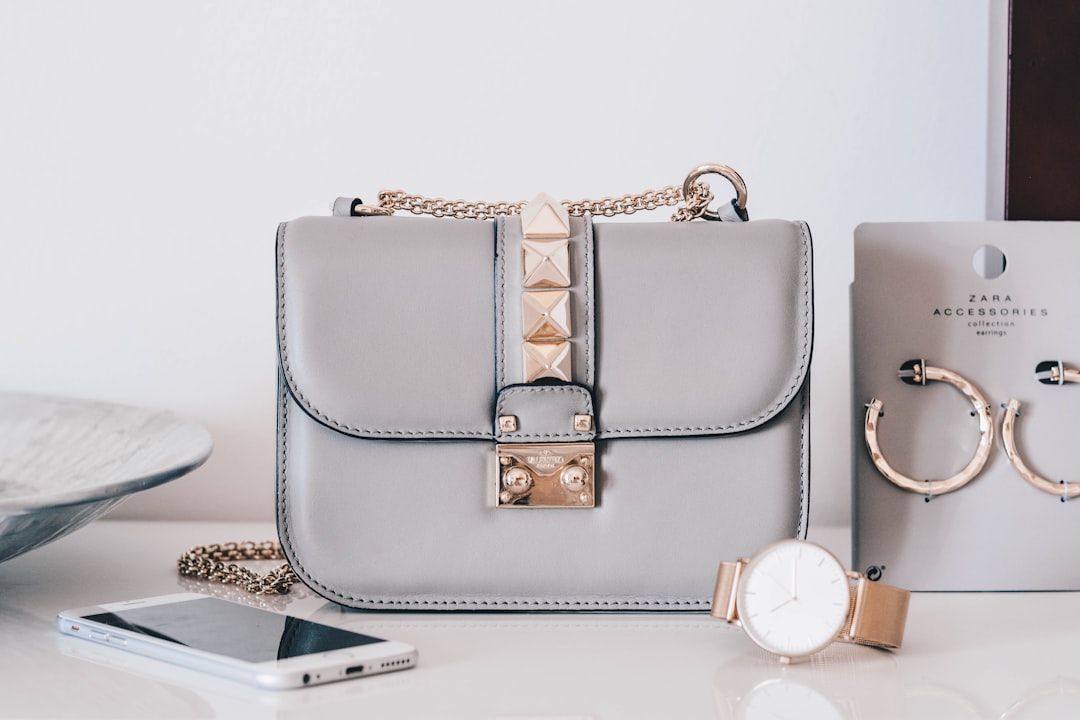
Bags don’t exist in isolation—accessories finish the story. A clean, classic watch or a bold bracelet can balance a casual bag and elevate a casual outfit; lean into metallic details on the bag if your jewelry is a focal point. For a polished appearance, pair your bag with complementary pieces like a coordinating strap color or subtle hardware finishes. Consider a simple timepiece from the watches selection to anchor a business-casual outfit.
8. Footwear and overall silhouette: harmonize bottom-to-top
Your bag should feel in dialogue with your shoes. Chunky tote or oversized backpack pairs well with casual sneakers or boots; delicate clutches suit heels or dressier flats. For everyday streetwear and relaxed looks, match the bag’s vibe to comfortable footwear choices—look through everyday sneakers for styles that keep proportions balanced and outfits cohesive.
9. Fabric care and longevity: choose wisely for long-term wear
Consider maintenance when you select materials. Smooth leathers polish up; canvas resists scuffs but may stain; suede requires more care. If you travel or use the bag daily, prefer materials with weather resistance, removable liners, or finishes that stand up to wear. Investing in a bag with easy-care materials preserves the look of outfits and reduces the temptation to replace pieces frequently.
Checklist: quick decision guide
- Occasion: What will you be doing? (work, errands, night out, travel)
- Capacity: What must fit daily? (laptop, water bottle, wallet)
- Proportion: Does the bag complement your silhouette?
- Coordination: Do colors and textures harmonize with your outfit?
- Function: Are pockets, closures, and materials suitable?
- Accessories: Does the bag pair well with your shoes and jewelry?
- Care: Can you maintain the material with minimal effort?
Conclusion
Choosing the right bag is a practical mix of function and visual harmony. Start with the occasion, match size and style to your outfit’s proportions, and use color and accessories to tie everything together. With thoughtful selection, your bag will enhance both your look and your day-to-day ease.
FAQ
- How do I pick a bag for a small frame? Opt for smaller or structured bags that won’t overwhelm your silhouette; crossbodies and compact totes work well.
- Can one bag work for both day and night? Yes—choose a medium-sized structured bag in a neutral color and swap hardware or strap accents for a quick dress-up.
- What color bag should I buy first? Start with a neutral—black, tan, or navy—then add seasonal or statement pieces later.
- How do I keep a bag looking new? Follow material-specific care: wipe down leather regularly, treat suede carefully, and avoid overfilling to maintain shape.
- Is it OK to mix metals between bag hardware and jewelry? Mixing metals can feel modern and intentional if balanced—don’t overdo it; pick one focal piece and let others play supporting roles.
