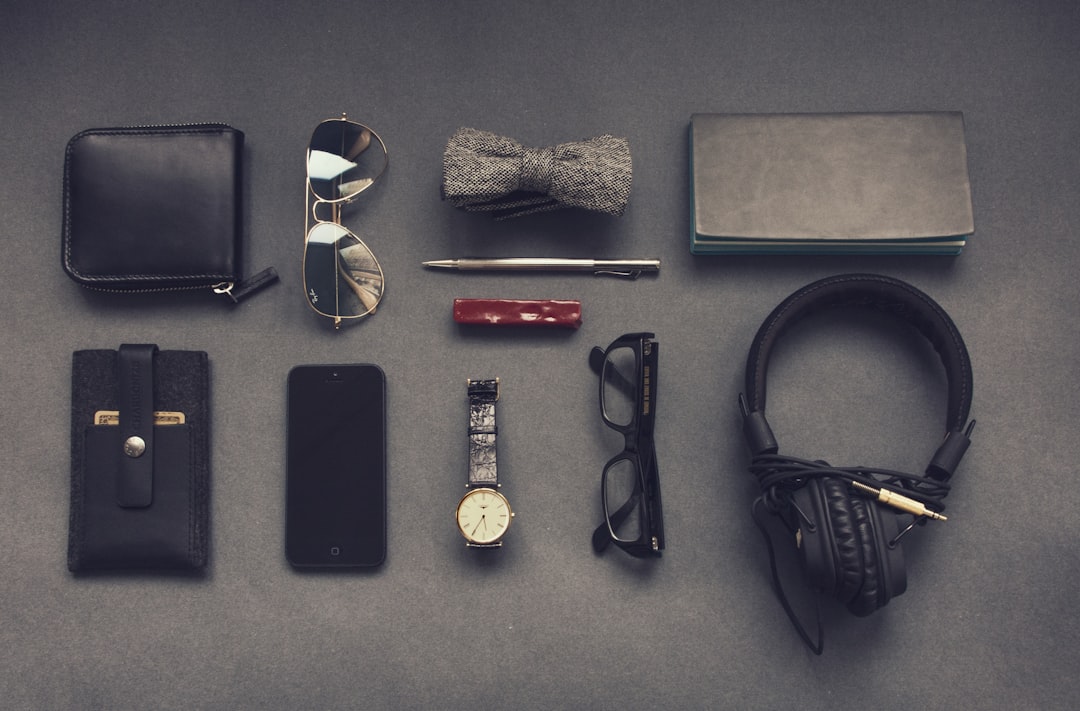
How to Choose Accessories That Actually Improve Your Look
Accessories are the finishing strokes of an outfit: the details that turn “fine” into “intentional.” The right pieces clarify your style, reinforce proportion, and make everyday clothes feel polished.
This guide gives practical steps to choose accessories that enhance your look—without overwhelming it. Read it to learn how to assess fit, scale, color, and purpose so every add-on works for you.
Start with Your Intent: What Do You Want the Accessory to Do?
Before buying anything, ask: do I need function (hold cards, carry a laptop), a focal point (statement necklace, bold watch), or subtle polish (a slim belt, refined wallet)? Your answer narrows choices and prevents impulse buys. If you want a reliable everyday timepiece that elevates casual outfits, start by looking at classic options like a well-proportioned Watches selection that suit both work and weekend wear.
Balance: Let One Piece Lead
Good accessorizing follows a simple rule: choose one focal accessory and keep the rest subdued. A chunky bracelet, a bold bag, or a standout watch can anchor an outfit. When your watch is the star, opt for neutral or minimal supporting items so the outfit reads cohesive rather than cluttered.
Scale and Proportion: Match Accessories to Your Frame and Outfit
Scale changes perception. Small accessories can get lost on heavy fabrics or oversized silhouettes; oversized pieces can overwhelm small frames. Think about where an accessory sits: a wide belt revives a boxy jacket, while a thin belt is better with a tailored dress. For waist definition with casual wear, explore smart options from the Belts collection to find the right width and buckle size for your proportions.
Color, Texture, and Contrast: Use Accessories to Tie Outfits Together
Accessories are the easiest way to introduce texture or a pop of color without changing your wardrobe. A silk scarf can add sheen and warmth to a plain blouse; a knit scarf adds a cozy, tactile layer to a simple coat. Experiment with texture contrasts—matte leather with glossy metal, or chunky knit with sleek denim. If you want a simple, high-impact option to lift basic separates, check lightweight layering pieces like Scarves that work year-round.
Choose Accessories for the Occasion
Accessories should match context. For travel or errands, choose hands-free, secure options that stay comfortable all day. For evenings, you can be more daring—opt for a statement piece that reads well in photos and low light. For everyday convenience without sacrificing style, a compact crossbody is a smart choice; browse practical designs in the Crossbody Bags category for secure, streamlined options.
Footwear: The Outfit’s Foundation
Shoes set the tone for any outfit and are a major accessory category. The right pair clarifies whether a look is sporty, dressy, or casual. Neutral, clean sneakers smooth out casual outfits while crisp leather or dress shoes elevate them. If your rotation needs a versatile daily option, consider classic styles from the Everyday Sneakers selection—they bridge comfort and polish and often transform the whole outfit without fuss.
Face-Framing Pieces: Sunglasses and Jewelry
Face-framing accessories are high-impact because they draw attention to your eyes and smile. Sunglasses should complement your face shape—rounded frames soften square faces; angular frames contrast round faces. Frame color should coordinate with your skin tone and hair. For reliable styles that cut glare and sharpen your look, explore the curated Sunglasses collection for shapes and lens options that suit your everyday needs.
Hats: Style and Function Combined
Hats protect and finish outfits, but the wrong hat can flatten proportions. Match brim width and crown height to your face and the outfit’s formality. A structured cap works for sporty weekends; a wide brim or fedora adds refinement to a neutral outfit. For practical, shapeable options that still read stylish, check out versatile pieces in the Hats & Caps range.
Practical Extras: Wallets, Bags and Organization
Functional accessories matter because messy pockets or bulky wallets ruin silhouettes. Choose slim wallets and card holders that minimize bulk, and select bag sizes that fit your daily essentials without swallowing the outfit. A tidy wallet can keep a blazer closing cleanly; a proportionate bag keeps you mobile and stylish. If you want a compact and organized option, review slim designs in the Wallets & Card Holders category.
Quality Over Quantity: Invest Wisely
High-quality accessories often have an outsized impact because they sit closest to your face and hands. Invest in well-made staples—a leather belt, a metal watch, durable sunnies—then supplement with lower-cost seasonal pieces. Prioritize items that show craftsmanship: neat stitching, consistent hardware color, and durable closures. A few well-chosen staples will make dozens of outfits look intentional.
Maintenance and Rotation: Keep Pieces Looking Their Best
Accessories age differently than clothes. Clean sunglasses lenses, condition leather, polish metal. Rotate jewelry and shoes to reduce wear and extend life. Treating your accessories like investments—simple maintenance once a month—keeps them functional and attractive, ensuring they continue to improve your look instead of detracting from it.
Quick Checklist
- Decide the accessory’s purpose: function, focal point, or polish.
- Pick one statement piece per outfit; keep others minimal.
- Match scale to your body and the garment silhouette.
- Coordinate color and texture to create contrast or harmony.
- Choose quality for staple items and rotate seasonal trends.
- Maintain pieces regularly: clean, condition, store properly.
FAQ
Q: How many accessories should I wear at once?
A: Aim for one clear focal piece plus one or two subtle complements (watch + wedding band; necklace + small earrings). Less is usually more.
Q: Should metals match (watch, belt buckle, bag hardware)?
A: Matching metals isn’t mandatory, but coordinating metals creates a polished, intentional impression—stick to warm or cool tones within one outfit.
Q: Can accessories make cheap clothes look expensive?
A: Thoughtfully chosen, high-quality accessories can elevate simple garments: a structured bag, crisp shoes, and a refined watch shift perception significantly.
Q: How do I pick sunglasses for my face shape?
A: Contrast is the easiest rule—if your face is round, choose angular frames; if it’s square, choose rounded frames. Try multiple sizes to find what balances your features.
Q: Are statement pieces appropriate for work?
A: Yes, if they’re proportionate and not distracting. One bold accessory—like a patterned scarf or a sleek watch—can express personality while staying professional.
Conclusion
Choosing accessories that improve your look comes down to intent, proportion, and quality. Pick pieces that serve a function or provide a deliberate focal point, keep scale and color in mind, and prioritize durable staples. With a small, curated collection and a maintenance routine, accessories will consistently make your outfits look sharper and more confident.
